Kiel Mobility Stations

Background

Mobility stations connect various modes of transport such as buses, trains, bicycles, and car sharing in one place, thereby promoting intermodal and multimodal mobility. In addition to linking mobility services, design, quality of stay, and service functions also play a central role.

In 2017, mobility stations were in the planning phase in the state capital of Kiel, the municipality of Hamdorf and the city of Preetz. While conceptual foundations already existed, concrete design specifications were lacking. To support the projects, a modular design concept was requested that would meet the various regional requirements. In the same year, we were awarded the contract by the promoter (the state capital of Kiel) and the project management (Kiel Region GmbH).
Design

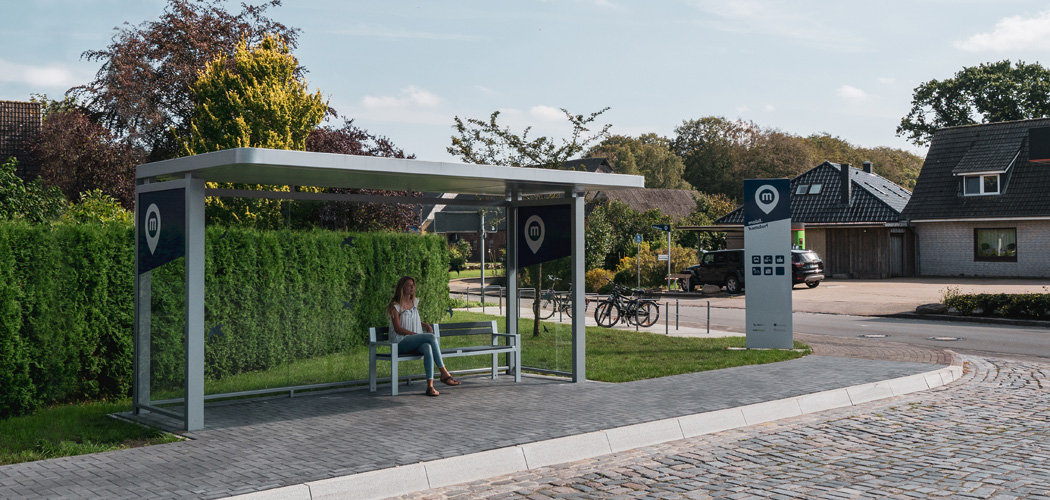
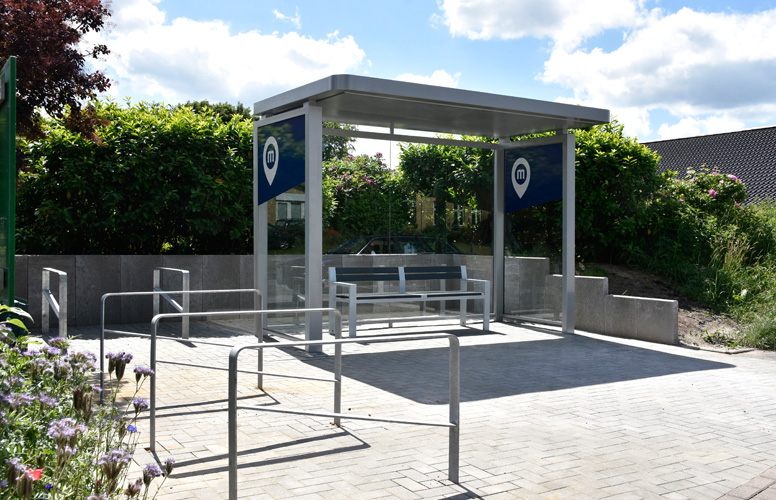
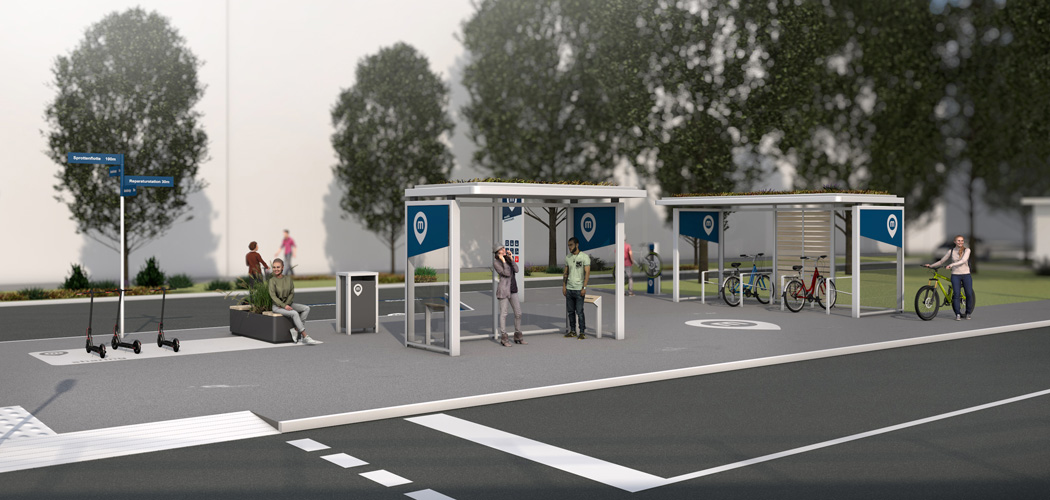
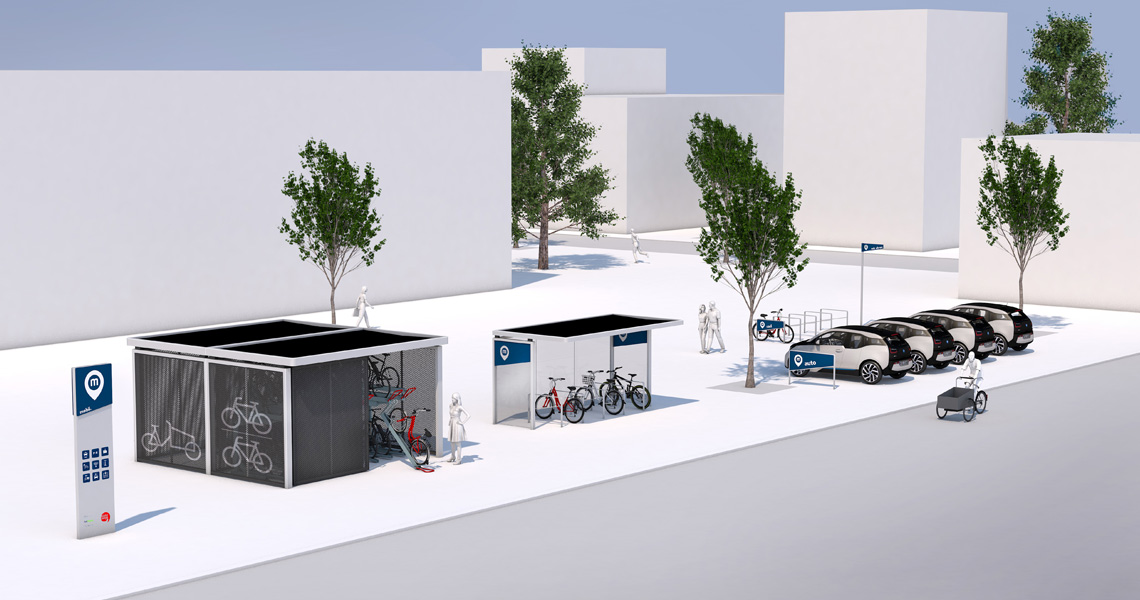
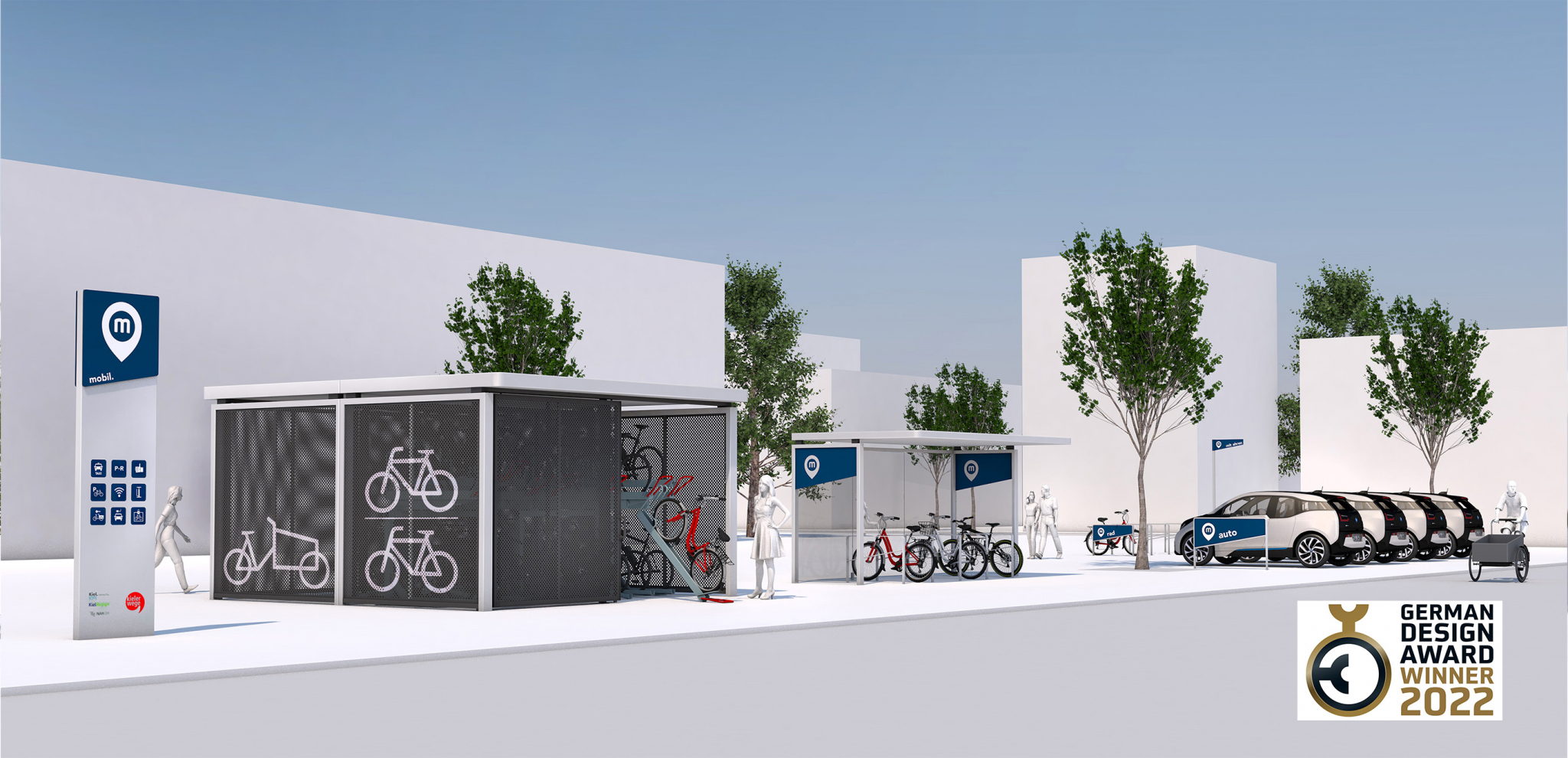
Minimalist, Nordic, timeless – the design focuses on the substance. Functional, barrier-free elements can be applied modularly and flexibly to various locations. Clear shapes and carefully selected materials create an emotional connection to the location – mobility becomes an experience, not just a utility.

Planning phases

Between 2017 and 2019, we developed a comprehensive, modular concept for mobility stations in the state capital of Kiel and the surrounding region.

The project included support throughout all planning phases, preparation of tender documents and technical support during implementation. The goal was to create a flexibly scalable, barrier-free system that could be integrated into both urban and rural contexts – functional, sustainable, and of high design quality.
.

Modules and module catalog

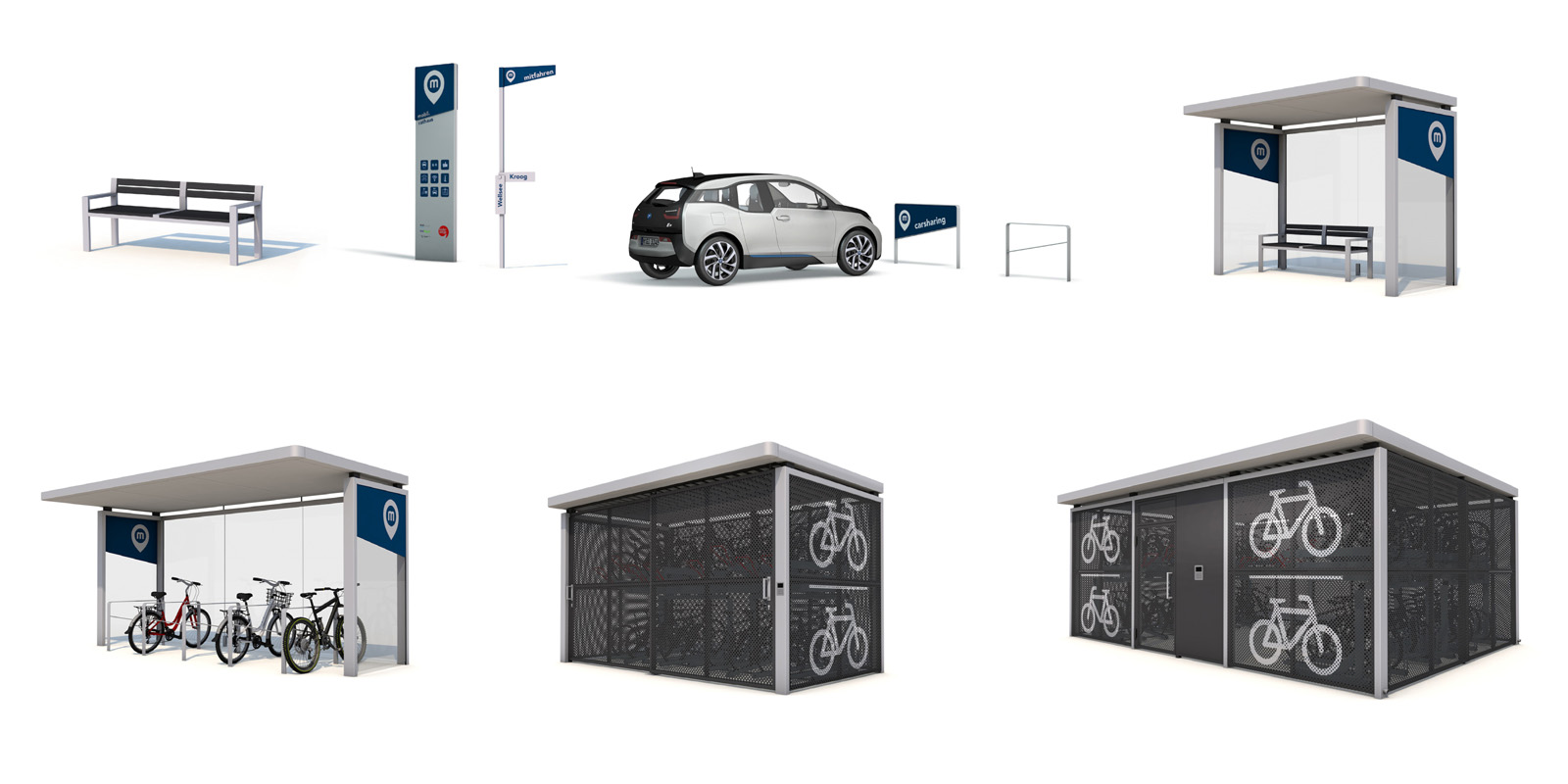
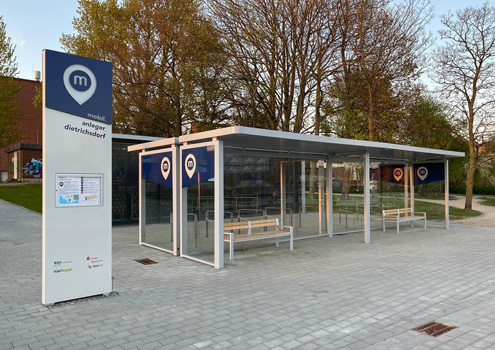
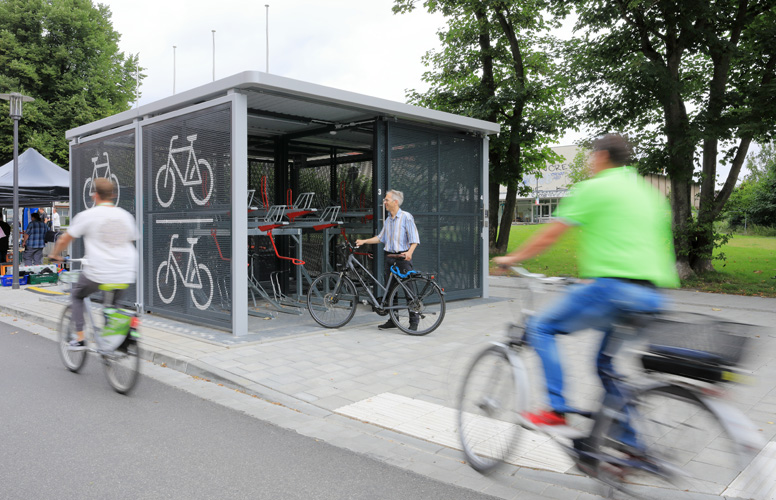
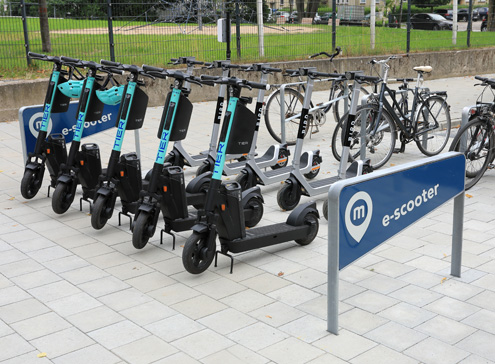
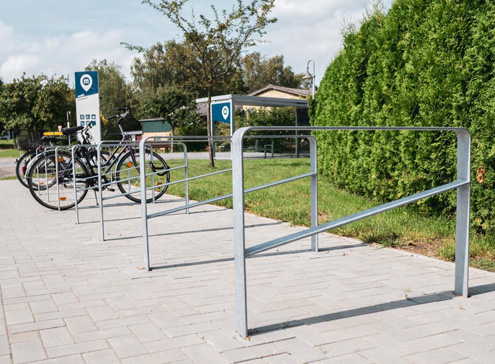
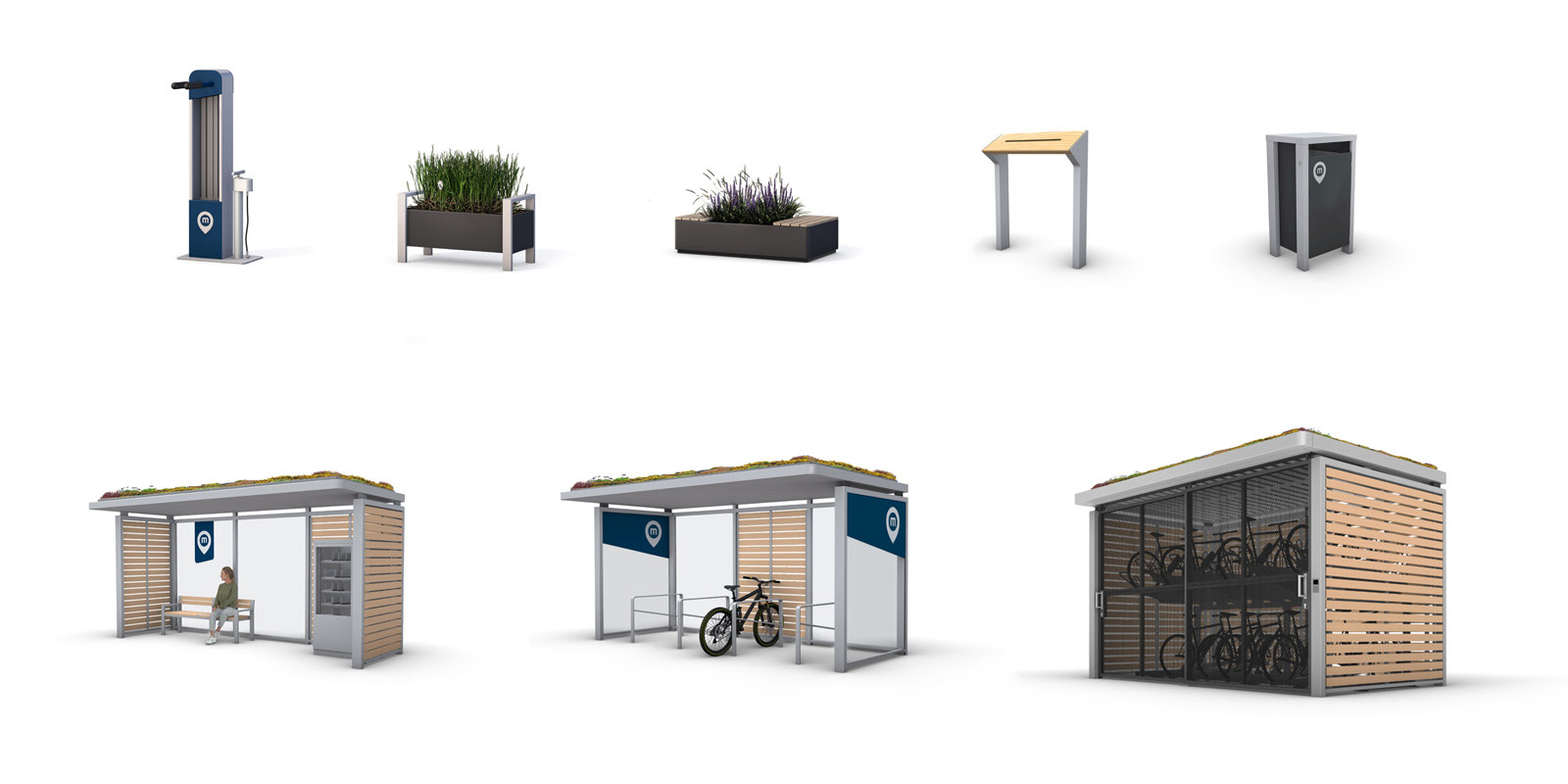
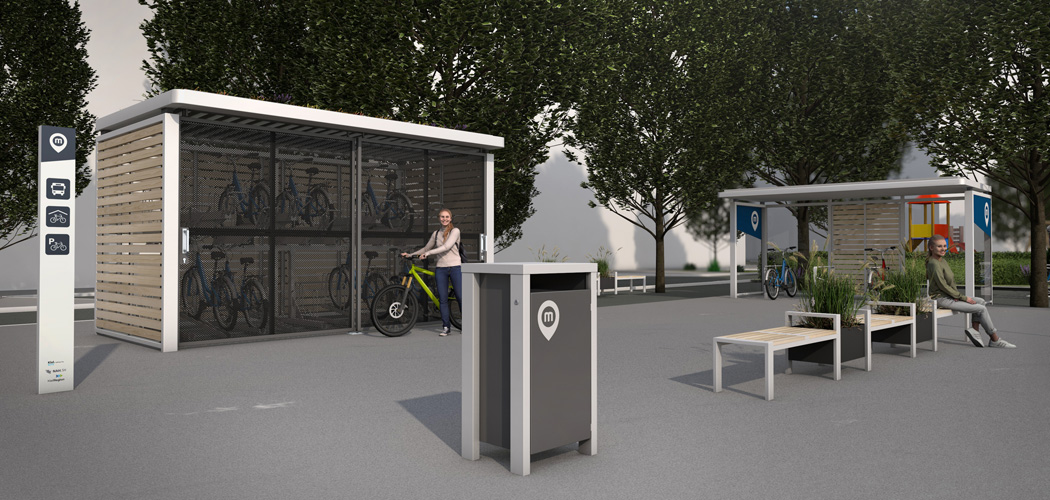
The module catalog comprises a carefully constituted selection of elements for equipping mobility stations. These include benches, information pillars, destination displays, product racks, and open and closed shelters for weather protection. The offer is complemented by collective lockable facilities for the secure storage of bicycles and personal equipment.

All modules are functional, barrier-free, and can be combined modularly – for flexible adaptation to different locations and usage scenarios. This creates a consistent design system that meets the requirements of both urban and rural areas.
.

Implementation

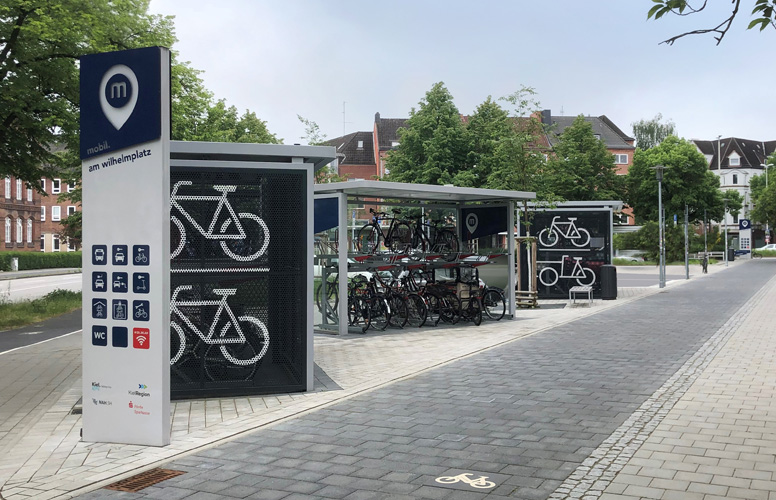
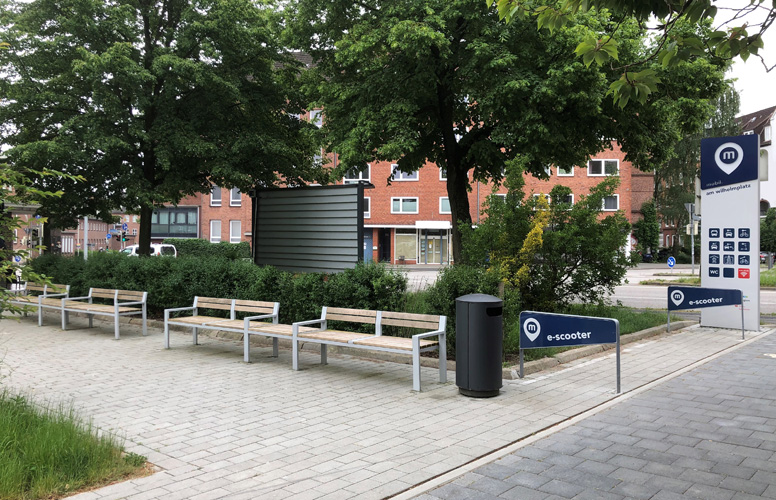
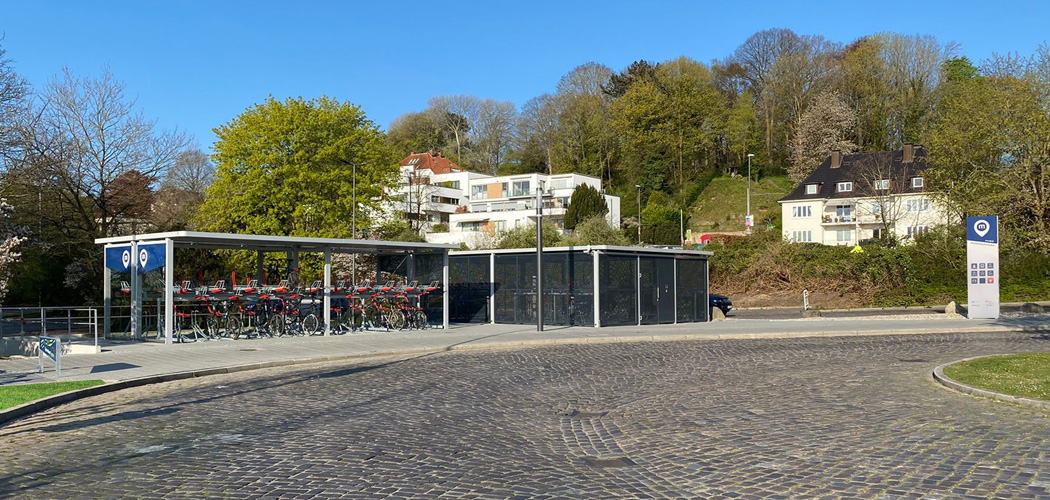
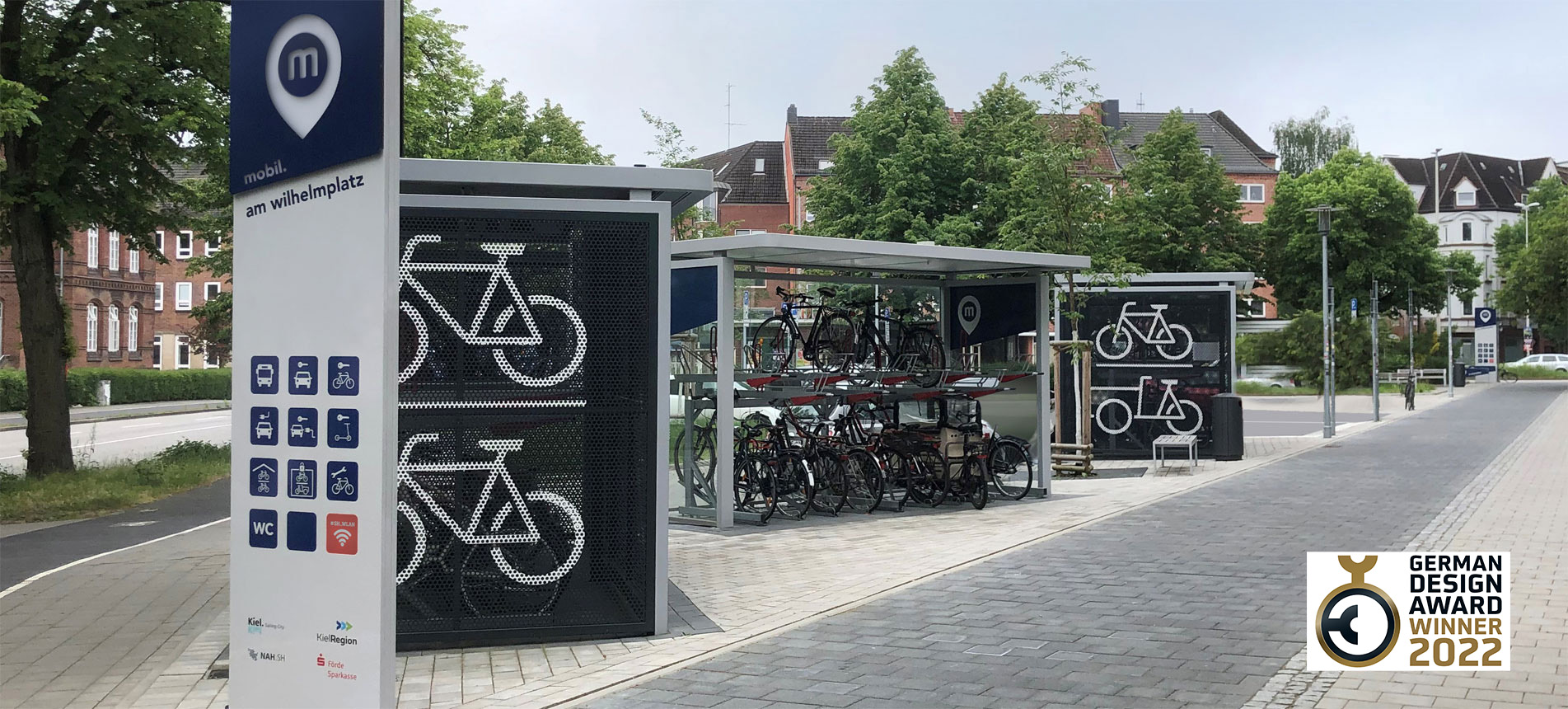
The first mobility station was opened in the municipality of Hamdorf in 2019 – an important initiative for linking sustainable mobility services in rural areas. Building on this, further stations followed in the city of Kiel, including at Tilsiterplatz, Rungholtplatz, Reventloubrücke, Wilhelmplatz, Anleger Dietrichsdorf, and five other locations. They successfully transfer the modular concept to urban spaces and continuously develop it further.

Wilhelmplatz

Wilhelmplatz

Dietrichsdorf pier

Dietrichsdorf pier

Tilsiter Platz/ © Christoph Edelhoff

Tilsiter Platz/ © Christoph Edelhoff

Hamdorf

Hamdorf

Hamdorf

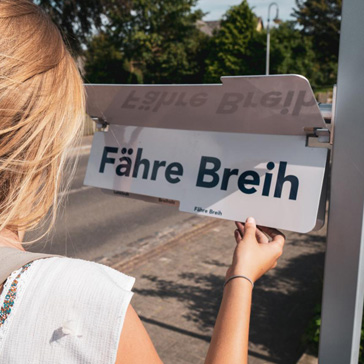
Destination display

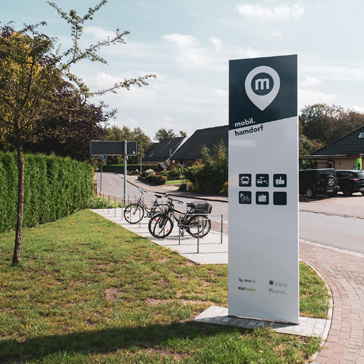
Information pillar Hamdorf

Expansion of the module catalog

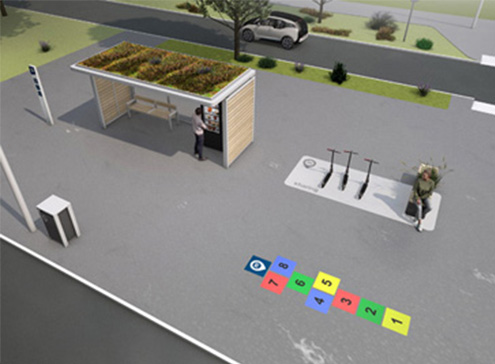
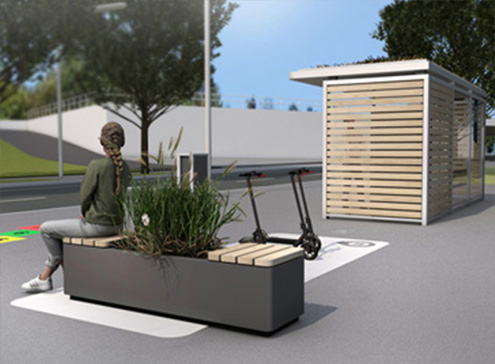
In 2024, several new elements were added to the existing module catalog. These include a bicycle repair station, climate modules, a standing seat, and open and closed shelters with green roofs and wooden elements. The aim of these extensions is to further increase the functionality and quality of stay of the modular infrastructure and at the same time to better integrate ecological and design requirements.

Data

Client:Stadt Kiel / KielRegion GmbH
Period:Design development 2017 – 2018
Call for tenders 2018
Implementation from 2019
Expansion of module catalog 2024
Awards:German Design Award 2022